

With air freight volumes at Zurich Airport remaining robust, dnata will expand its cargo operations through a new, purpose-built facility at the airport, designed to support long-term growth, improve operational efficiency and further enhance service reliability for customers and partners in Switzerland.
dnata handled 56,000 tonnes of cargo in 2025, up nearly 4% year on year, reflecting sustained demand for quality cargo services and the need for expanded infrastructure at Zurich Airport.
A long-term investment in Zurich
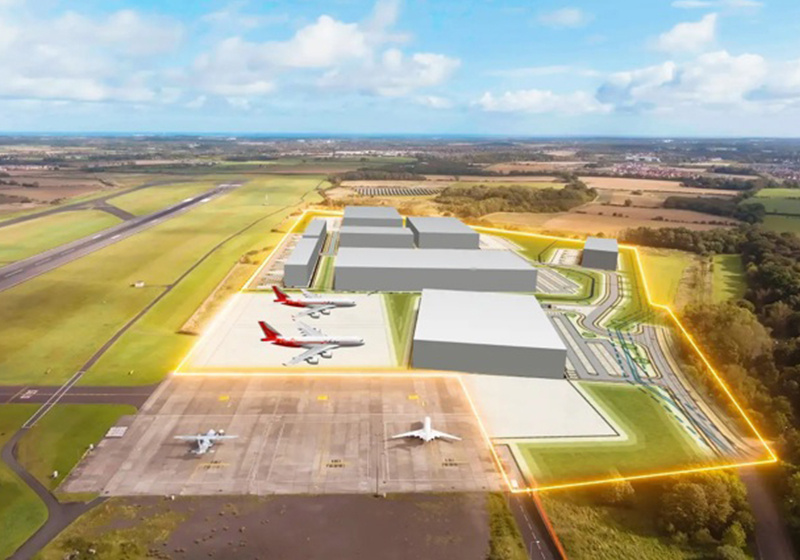
Construction of the new dnata Cargo Centre is well advanced and forms part of dnata’s long-term investment in its Zurich operations. The facility is scheduled to open in early 2027.
Once operational, dnata’s annual cargo handling capacity in Zurich will increase by 50%, from 60,000 to 90,000 tonnes, marking a significant expansion of its operational capabilities at the airport.
The facility will include 8,330 square metres of warehouse space, of which 7,580 square metres will be dedicated to indoor cargo handling, complemented by 4,600 metres of covered outdoor handling areas. It will replace the existing Fracht West warehouse, originally built in the 1960s, which has reached the limits of its operational and expansion potential.
The new facility is being developed by Zurich Airport. Alongside the airport’s investment of more than CHF 40 million in the building infrastructure, dnata is committing approximately CHF 6 million to equip the site, including the installation of its modern ULD material handling system. The development supports rising demand across both general cargo and specialised products, including pharmaceuticals.
“The new dnata Cargo Centre represents a significant long-term investment in our operations at Zurich Airport,” said Willy Ruf, Managing Director, dnata Switzerland.
“Cargo operations at Zurich have evolved significantly over the past decade, with higher volumes, tighter turnaround expectations and a growing share of specialised shipments. This new facility allows us to rethink how cargo flows through the airport, from landside access to warehouse handling, in a way that better reflects how the market actually operates today.”